
Tendon Repairs & Transfers: Restore Movement with Confidence.
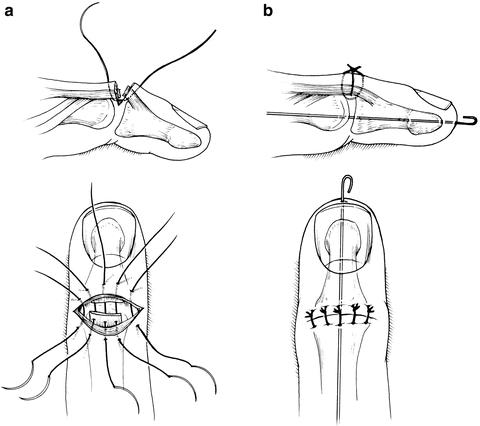
When tendons are damaged—whether from a deep cut, long-standing condition, or nerve injury—it can affect your ability to move, grip, or carry out day-to-day tasks. Fortunately, tendon repairs and tendon transfers are proven surgical techniques that can help restore function and improve your quality of life.
At Crux Physio & Hand Therapy, we guide people through every step of recovery, from the moment you’re injured to when you return to what matters most. In this guide, we’ll explain what these procedures involve, the key differences between them, and how we help people achieve strong, confident recoveries.
🧵 What Are Tendons, and Why Do They Matter?
Tendons are strong, rope-like tissues that connect muscles to bones. Every time you bend a joint, grip something, or make a fine movement, tendons are working behind the scenes to make that motion possible.
When a tendon is cut, torn, or no longer working properly, it can cause loss of movement or strength. This can happen because of:
- Accidents (like deep cuts or crush injuries)
- Inflammation (such as in rheumatoid arthritis)
- Nerve injuries that prevent the muscle from activating the tendon
Depending on the cause and the condition of the tendon, your surgeon may recommend either a tendon repair or a tendon transfer.
🔧 Tendon Repairs vs Tendon Transfers: What’s the Difference?
✂️ Tendon Repair: Fixing the Original Pathway
This is usually done when the torn ends of a tendon can be stitched back together. It’s most common after clean, recent injuries.
There are a few ways this is done:
- Strong internal stitches are used to reconnect the tendon ends so they can heal properly.
- Extra stitches on the outside help make the repair more secure and allow the tendon to glide more smoothly during movement.
- If the area is too scarred or not ready for full repair, the surgeon may use a two-step approach. In the first step, they place a soft, flexible silicone rod to keep the tendon’s path open. Later, they go back and insert a new tendon graft once the tissue is ready.
This approach helps create the best possible conditions for healing, especially when the injury is complex or delayed.
🔁 Tendon Transfer: Rewiring Movement Using a Healthy Muscle
When a tendon or the nerve that powers it is no longer working, a surgeon can take a healthy tendon from a nearby muscle and reroute it to take over the lost function.
Tendon transfers are commonly used when:
- A nerve injury causes muscles to stop working (e.g. radial nerve palsy)
- A tendon has been badly damaged or ruptured over time
- There is long-standing weakness or deformity from a condition like cerebral palsy or rheumatoid arthritis
The transferred tendon might originally have had a different job (like bending a finger), but over time, the brain can learn to use it in its new role—like lifting the wrist or straightening the thumb.
🧠 How the Brain Adapts After a Tendon Transfer
After a tendon transfer, your body needs time to adjust. The new tendon was originally designed to do a different movement—so your brain needs to “relearn” how to control it.
With practice and guidance from your therapist, your brain creates new movement patterns through a process called motor re-education. Over time, the new movement feels more natural and becomes automatic.
🧪 Example:
If someone loses the ability to bend their thumb, a nearby finger tendon might be used as a substitute. At first, they may instinctively move their finger when trying to move their thumb. But with consistent therapy, the brain learns to send the right signal to the new muscle—and thumb function improves.
💡 Did You Know?
- Tendon problems aren’t always due to a tear. In conditions like rheumatoid arthritis, inflammation can cause tendons to wear down or even rupture over time—even without a specific injury.
- Nerve injuries can silently affect tendon function. If a muscle can’t contract because of nerve damage, the tendon becomes inactive—even if it’s perfectly intact.
- Tendon transfers don’t need to be a perfect match. With the brain’s ability to adapt, nearby muscles can take over new roles successfully, especially with a tailored rehab plan.
🔍 What to Watch Out For — and How We Navigate Recovery Together
Most people recover really well after tendon surgery, especially with the right support. Still, there are a few things we keep an eye on to make sure healing stays on track:
| What Might Happen | Why It Happens | How We Help |
|---|---|---|
| Scar tissue (adhesions) | Tendons can stick to nearby tissue if they’re not moved early | We guide gentle motion early on to keep things gliding freely |
| Overuse or re-tear | Doing too much too soon | We provide clear, gradual rehab stages to protect healing |
| Stiffness | Joints can feel tight if not moved enough | Stretching, splinting, and joint mobilisation |
| Tendon tension issues | Tendons may feel too tight or slack after transfer | We fine-tune with exercises and splinting as needed |
The good news? With a guided rehab plan, most of these challenges can be avoided—or corrected early before they become an issue.
🤝 Physiotherapy & Hand Therapy: The Key to a Strong Recovery
Surgery is just the first step. The real gains happen through rehab and retraining. At Crux Physio & Hand Therapy, we support your healing journey with:
- Custom splints to protect the repair or transfer site
- Early motion programs to reduce scarring
- Motor re-education to help your brain adapt to changes
- Gradual strengthening and task-specific training to get you back to what you love
Whether you’re returning to work, playing an instrument, climbing, or just getting through your daily routine, our goal is to help you feel capable and confident again.
🧗 Real-World Story: A Climber’s Recovery After Tendon Repair
A 30-something climber came to us after a tendon laceration in their finger. The surgery was done within 5 days. With early movement, scar massage, and a structured return to load, they were back to indoor climbing by 12 weeks and projecting outdoor routes by 6 months.
🗝️ Takeaway: With the right timing, care, and support—recovery is absolutely achievable.
📌 Summary
- Tendon repairs reconnect the original tendon ends.
- Tendon transfers give a healthy tendon a new role.
- Conditions like Rheumatoid Arthritis and nerve injuries can affect tendons even without a tear.
- Rehab is just as important as surgery—it’s what helps you move confidently again.
- With the right care plan, most people make a full and functional recovery.

📞 Ready to Rebuild Movement with Confidence?
At Crux Physio & Hand Therapy, we provide expert rehab for people recovering from tendon injuries and surgery. Whether you’re post-op or still exploring your options, we’re here to help.
✅ Same-day appointments
✅ Expert in upper limb and tendon rehab
✅ Supportive, one-on-one therapy in a calm environment
Let’s get you back to doing what you love.